

BDSM Red Flags: When Kink Crosses Into Control
BDSM Red Flags often appear when consent becomes pressured, boundaries are dismissed, or dominance shifts into emotional or psychological control. Healthy kink prioritizes mutual negotiation, safe words, aftercare, and autonomy. This guide explores warning signs through attachment patterns, nervous system science, and real-world relational insight.
BDSM-can be a deeply consensual, intimate, and psychologically rich way of exploring power, vulnerability, and connection. At its healthiest, it is rooted in trust, negotiation, and self-awareness. Yet like any relational dynamic that involves power exchange, it can also become distorted when boundaries blur or control replaces consent.
Understanding BDSM Red Flags is not about shaming kink. It is about protecting emotional safety and nervous system wellbeing. When power dynamics shift from chosen to imposed, from negotiated to assumed, the impact can be subtle but significant. Learning the difference allows you to explore safely while staying grounded in autonomy.
Table of Contents – BDSM Red Flags
- Healthy Power Exchange vs Control
- Consent, Coercion, and Pressure
- Attachment Patterns and Vulnerability
- The Nervous System and Fear Responses
- Isolation and Dependency
- Aftercare as a Psychological Indicator
- Community Wisdom and Ongoing Education
- BDSM Red Flags
- Key Takeaways
- Frequently Asked Questions
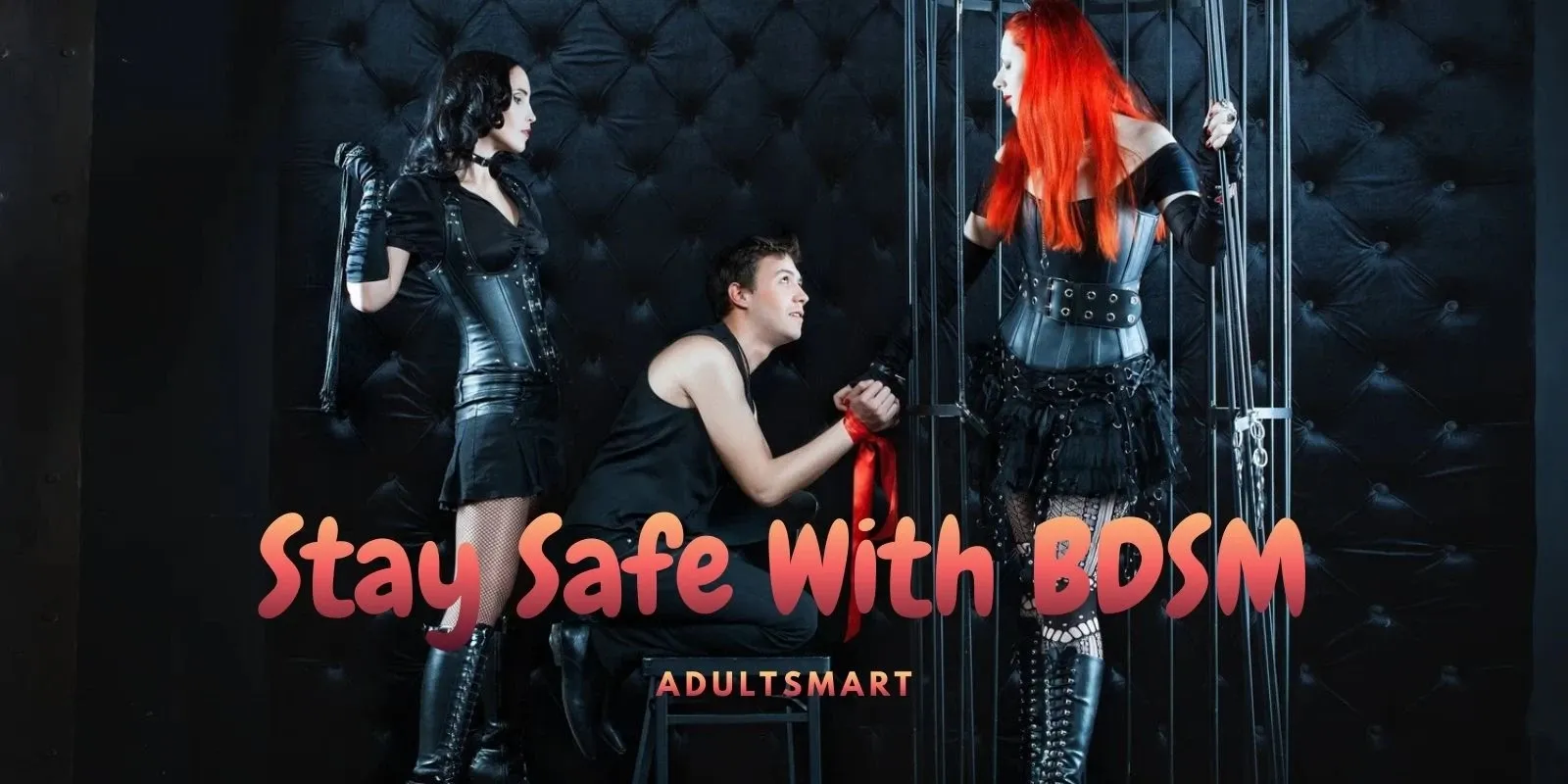
Healthy Power Exchange vs Control
Healthy BDSM is structured around negotiated power. Both parties understand the dynamic, agree to the roles, and retain the right to pause or withdraw consent. Power exchange is chosen, not imposed. There is clarity around expectations, limits, and emotional safety. When those agreements are honored, kink can foster deep trust and vulnerability.
One pattern I’ve noticed in unhealthy dynamics is subtle entitlement. A dominant partner may assume authority outside negotiated scenes, dismiss concerns, or frame obedience as proof of devotion. These behaviors signal that power is no longer collaborative. Instead of being eroticized structure, it becomes relational control.
If you’re unsure whether something feels off, your body often knows before your mind does. Tightness in the chest, confusion after scenes, or persistent anxiety are important signals. Healthy dynamics leave you feeling grounded and respected, not chronically unsettled.
Consent, Coercion, and Pressure
Consent is ongoing, enthusiastic, and reversible. A major BDSM red flag emerges when someone treats consent as a one-time contract rather than a living conversation. Statements like “You agreed to this before” or “A real submissive would…” introduce pressure rather than choice. Coercion can be subtle, especially when framed as education or growth.
In my studies of relational psychology, I’ve observed that manipulation often disguises itself as mentorship. A more experienced partner may use expertise to override hesitation. True mentorship empowers discernment, not dependence. If your concerns are minimized or reframed as weakness, that is not healthy dominance.
For deeper discussion on recognizing unsafe patterns, you can explore this analysis of red flags in kink, which outlines behavioral warning signs from a long-standing educator’s perspective.
Attachment Patterns and Vulnerability
BDSM can activate attachment dynamics intensely. If someone has an anxious attachment style, they may tolerate unhealthy behavior to avoid abandonment. If someone leans avoidant, they may use dominance to maintain emotional distance. These patterns are not flaws, but they do require awareness.
One pattern I’ve noticed is trauma bonding disguised as devotion. When emotional highs and lows become extreme, the nervous system confuses intensity with intimacy. A partner who alternates between affection and withdrawal can create powerful dependency. That cycle is not erotic tension; it is instability.
If you’re exploring power dynamics, grounding yourself in self-knowledge matters. Reading balanced discussions like this ethical perspective on BDSM red flags can help clarify where attachment wounds may intersect with kink.
The Nervous System and Fear Responses
BDSM scenes often engage adrenaline, vulnerability, and heightened sensation. In a safe container, this can feel exhilarating. But when boundaries are crossed, the nervous system may shift into fight, flight, freeze, or fawn responses. These are survival responses, not signs of submission.
If you find yourself freezing during scenes and later rationalizing discomfort, pause. Freezing is not consent. It is a protective reflex. Healthy partners will actively check in, especially if they sense withdrawal or dissociation.
Erotic exploration should expand your capacity, not shrink it. When the body consistently braces rather than relaxes, it is signaling misalignment. Respecting those cues builds resilience rather than retraumatization.
Isolation and Dependency
Another significant BDSM red flag is isolation from community or support networks. A partner who discourages outside friendships, kink education, or independent thought may be consolidating control. Healthy dynamics encourage autonomy, not secrecy.
One pattern I’ve noticed is when a dominant frames exclusivity as protection. While privacy is valid, isolation breeds dependency. If you feel you must hide concerns or avoid community discussion, something is misaligned.
Education reduces vulnerability to exploitation. Exploring resources like BDSM myths and facts can help differentiate consensual kink from controlling behavior. Knowledge strengthens boundaries.
Aftercare as a Psychological Indicator
Aftercare is more than cuddling. It is nervous system regulation following intensity. A partner who dismisses aftercare as unnecessary may lack attunement. Emotional processing after scenes is not weakness; it is integration.
If you are consistently left alone after vulnerable experiences, your system may remain dysregulated. Over time, this erodes trust. Healthy partners proactively discuss what aftercare looks like and adjust based on feedback.
Kink exploration, like erotica for self-exploration, can be empowering when paired with reflection. Integration prevents shame and supports growth.
Community Wisdom and Ongoing Education
BDSM thrives in informed communities. Transparent discussion about safety, consent models, and accountability protects participants. If someone dismisses community standards entirely, claiming they operate above them, that is worth questioning.
Healthy exploration often includes curiosity about desire, including topics like the appeal of taboo erotica. Curiosity, however, should never override consent or wellbeing. Fantasy and real-life practice require distinct boundaries.
Ongoing education fosters humility. No one graduates from ethical responsibility. When someone resists feedback, avoids accountability, or reframes harm as misunderstanding, pause and reassess.
BDSM Red Flags
BDSM Red Flags are not always dramatic. Often they appear as subtle discomfort, dismissed concerns, or gradual shifts in autonomy. Healthy kink strengthens self-trust. It encourages clear negotiation, emotional responsibility, and mutual respect. If something feels confusing, slow down rather than pushing through.
Your autonomy is never surrendered permanently. Power exchange is meaningful only when it is freely chosen and continuously reaffirmed. Protecting your nervous system and attachment security is not anti-kink; it is pro-health.
Key Takeaways
- Healthy BDSM is negotiated, consensual, and reversible at all times.
- Coercion, pressure, or dismissal of boundaries are serious warning signs.
- Attachment wounds can intensify vulnerability within power dynamics.
- The nervous system’s fear responses are protective signals, not submission.
- Community education and aftercare are essential for sustainable kink.
Frequently Asked Questions – BDSM Red Flags
Are BDSM red flags always obvious?
No. Many warning signs appear subtly through emotional pressure, boundary testing, or dismissal of concerns.
Can healthy BDSM include intense control fantasies?
Yes, if the control is negotiated, consensual, and reversible, with clear safety measures in place.
What if I feel confused after a scene?
Confusion can signal nervous system dysregulation. Discuss it openly and reassess boundaries.
Is jealousy or possessiveness normal in BDSM?
Some dynamics include negotiated exclusivity, but possessiveness that limits autonomy is a red flag.
How can beginners stay safe?
Prioritize education, community discussion, clear consent practices, and partners who welcome accountability.