

Types of Bondage Explained: Trust, Technique, and Emotional Safety
Types of Bondage Explained often sparks curiosity, especially for those exploring power exchange or restraint for the first time. Bondage can look visually intense, yet beneath the surface, healthy practice is grounded in communication, consent, and emotional awareness. When approached thoughtfully, restraint play becomes less about control and more about trust.
From a psychological perspective, bondage activates vulnerability. That vulnerability can deepen intimacy when both partners feel secure and informed. Understanding the different forms of bondage, along with nervous system responses and attachment patterns, helps ensure that exploration feels safe rather than overwhelming. This guide offers clarity, safety insight, and practical understanding.
Table of Contents – Types of Bondage Explained
- Understanding Bondage in Context
- Soft Restraints and Beginner Bondage
- Rope Bondage and Shibari
- Cuffs, Chains, and Structured Restraints
- The Psychology Behind Restraint
- Safety, Consent, and Aftercare
- Key Takeaways
- Frequently Asked Questions
Understanding Bondage in Context
When exploring Types of Bondage Explained, it helps to begin with context. Bondage refers to consensual restraint used for erotic, aesthetic, or psychological purposes. It is one aspect of BDSM, and like all kink practices, it must be grounded in informed agreement. If you are new to this world, reviewing broader discussions like BDSM myths and facts can help separate reality from stereotype.
Bondage is not inherently about pain. For many, it is about sensation, anticipation, and surrender within agreed boundaries. As outlined in Bondage Guide, techniques range from simple wrist restraints to intricate rope patterns. The variety reflects diverse motivations and comfort levels.
In my studies of relational dynamics, I’ve noticed that bondage often appeals to those who value structure. When expectations are clear, vulnerability feels more contained. The physical restraint mirrors emotional trust.
Soft Restraints and Beginner Bondage
Soft restraints are often recommended for beginners. These may include padded cuffs, silk ties, or Velcro straps designed to minimize pressure. When Types of Bondage Explained are approached gradually, individuals build confidence without overwhelming the nervous system.
Soft bondage typically emphasizes comfort and reversibility. The restrained partner should be able to communicate easily and access a quick release if needed. One pattern I’ve noticed is that couples who begin with gentle methods tend to develop stronger communication habits before advancing.
Fantasy exploration can also support preparation. Reading about restraint scenarios through erotica for self-exploration allows individuals to identify emotional triggers or preferences before trying anything physically.
Rope Bondage and Shibari
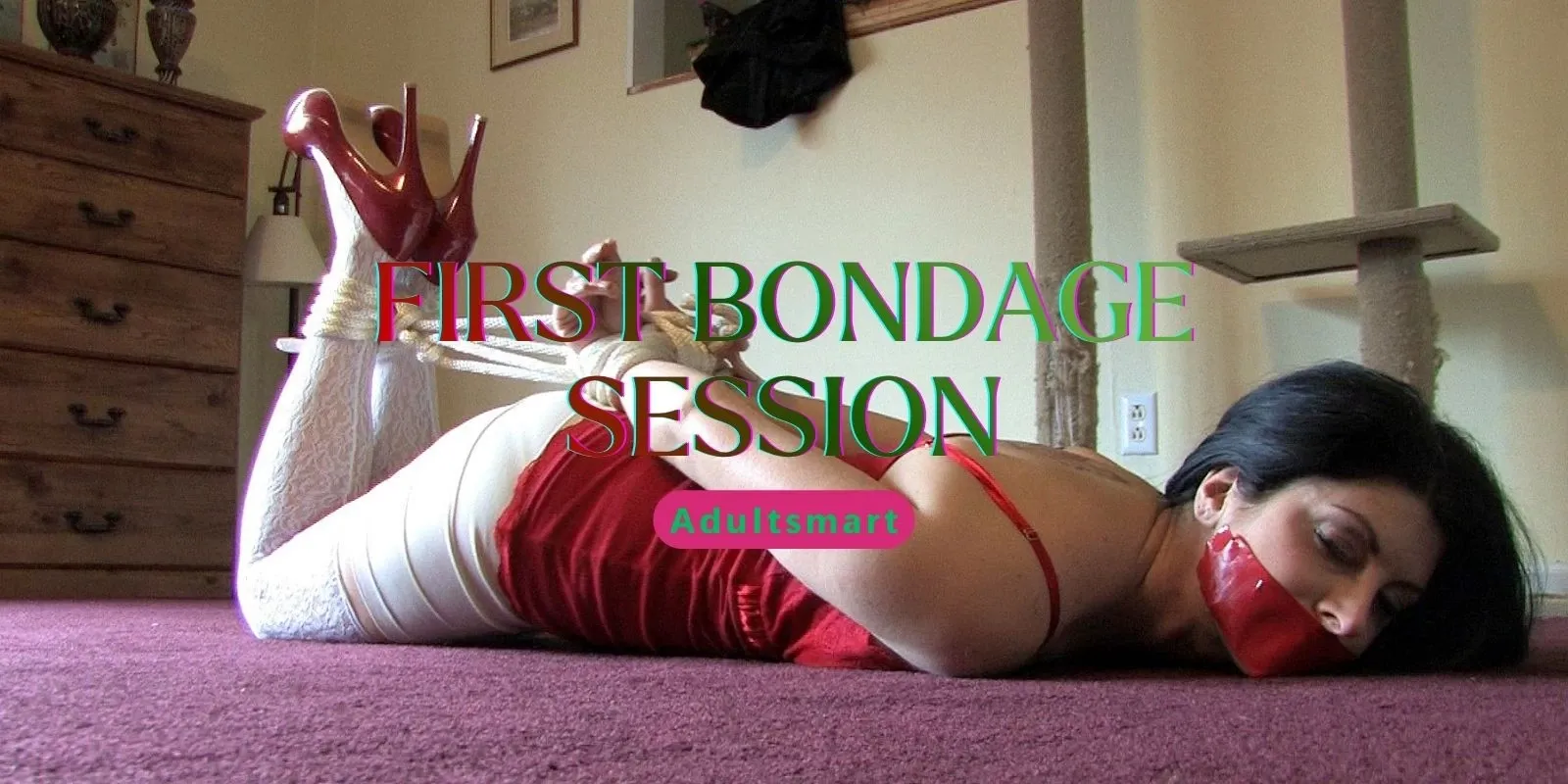
Rope bondage, including the Japanese art of shibari, introduces both aesthetic and technical complexity. When Types of Bondage Explained reach this level, safety knowledge becomes critical. Rope can create beautiful patterns and intense sensations, but improper technique risks nerve compression or circulation issues.
Practitioners often study anatomy to avoid vulnerable areas. Education, workshops, and practice are essential before attempting intricate ties. According to Different Types of Bondage for BDSM, rope styles vary widely, from decorative chest harnesses to suspension techniques.
From a psychological standpoint, rope can evoke a powerful surrender response. The restrained partner’s nervous system may shift into heightened awareness. With trust and reassurance, this activation becomes exhilarating rather than distressing.
In my clinical observations, rope bondage often strengthens intimacy when partners debrief afterward. Discussing sensations and emotions transforms the experience into relational growth rather than isolated intensity.
Cuffs, Chains, and Structured Restraints
Metal cuffs, leather restraints, and under-the-bed systems represent more structured forms of bondage. These tools provide stability and reduce the learning curve associated with rope. When Types of Bondage Explained include hardware, durability and safety mechanisms must be considered.
Quick-release features are essential. Keys should remain accessible. Physical positioning should avoid strain on joints or restricted breathing. The goal is containment without harm.
Structured restraints can psychologically amplify dominance and submission themes. Yet even here, consent remains central. Clear negotiation about duration, intensity, and limits protects both partners.
The Psychology Behind Restraint
Why does restraint feel compelling for some individuals? The answer lies partly in the nervous system. Controlled restriction can heighten focus and anticipation. When the brain perceives safety, adrenaline blends with trust, creating a potent emotional experience.
Attachment patterns also shape responses. Securely attached individuals often tolerate vulnerability more comfortably. Those with anxious or avoidant tendencies may need additional reassurance. In my experience, recognizing these patterns allows couples to tailor bondage experiences thoughtfully.
Education around consent in BDSM relationships reinforces the psychological foundation of restraint. Consent is what transforms physical limitation into emotional safety.
Safety, Consent, and Aftercare
No discussion of Types of Bondage Explained is complete without emphasizing safety. Clear communication before play includes discussing medical conditions, circulation concerns, and emotional triggers. Establishing safe words or signals ensures immediate pause if discomfort arises.
Aftercare supports nervous system regulation. Gentle touch, reassurance, hydration, or quiet conversation help shift the body back to baseline. I often remind couples that intensity without aftercare can leave lingering emotional confusion.
When safety planning becomes routine, exploration feels less risky and more collaborative. The restraint may be physical, but the freedom to communicate remains intact.
Types of Bondage Explained: Exploring Restraint with Trust and Awareness
Types of Bondage Explained ultimately reveal that restraint is not about force; it is about agreement. Whether using soft ties, rope artistry, or structured cuffs, the experience depends on communication and emotional attunement. When partners prioritize safety and mutual respect, bondage can deepen trust and expand intimacy in grounded, meaningful ways.

Key Takeaways
- Bondage ranges from soft restraints to advanced rope techniques.
- Consent and communication are essential before any restraint play.
- Nervous system regulation influences how restraint feels emotionally.
- Attachment patterns shape comfort with vulnerability.
- Aftercare strengthens trust and emotional connection.
Frequently Asked Questions – Types of Bondage Explained
Is bondage safe for beginners?
Yes, when starting with soft restraints, clear communication, and quick-release options.
What is shibari?
Shibari is a Japanese style of rope bondage that combines aesthetic patterns with consensual restraint.
Do I need special training for rope bondage?
Yes. Learning anatomy and safety techniques helps prevent nerve or circulation injuries.
Why is aftercare important in bondage?
Aftercare helps regulate the nervous system and reinforces emotional safety after intense experiences.
Can bondage improve intimacy?
When practiced consensually and thoughtfully, it can deepen trust and communication between partners.