
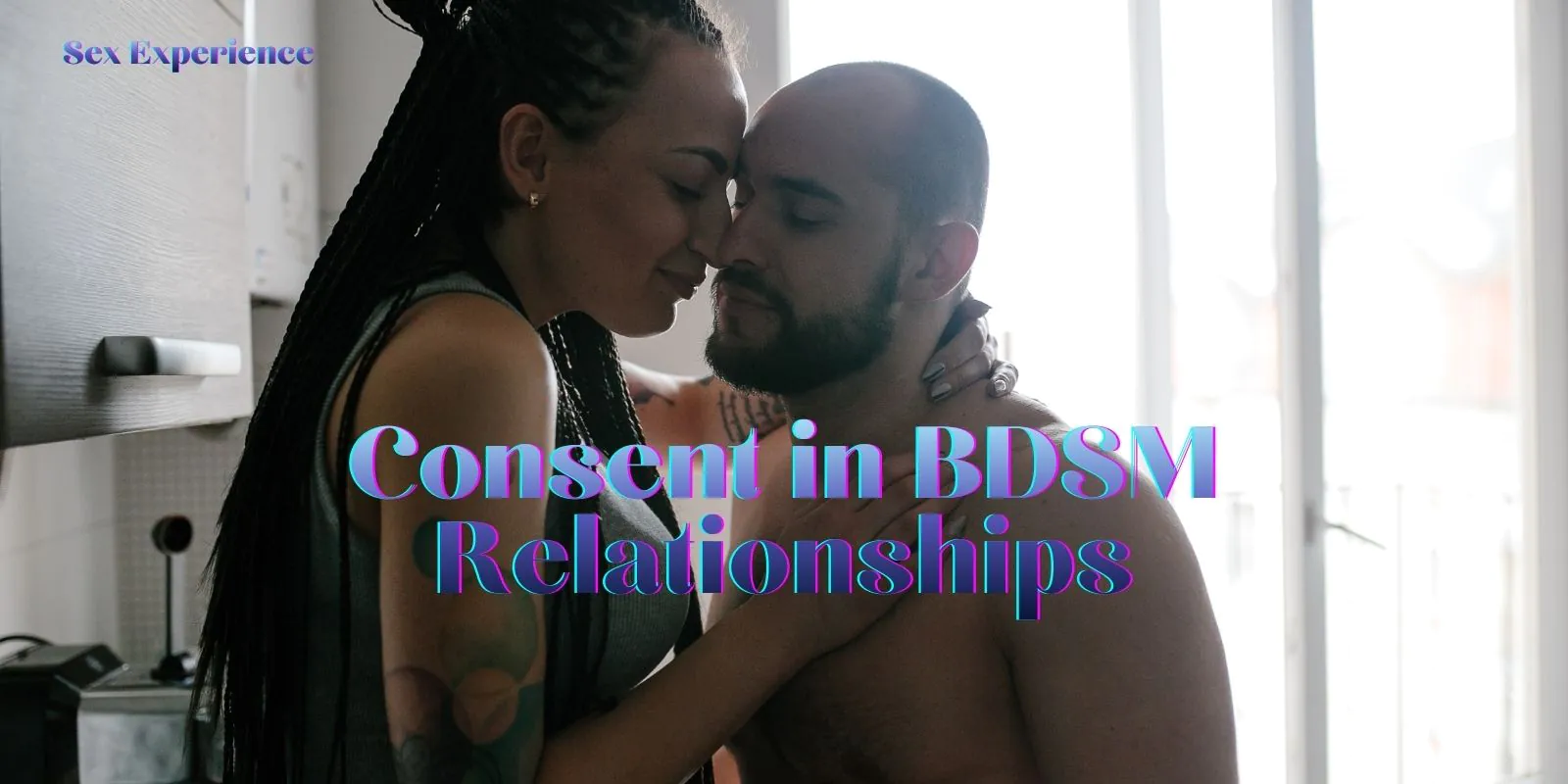
Consent in BDSM Relationships: Healthy Boundaries, Trust, and Emotional Safety
Consent in BDSM Relationships is often misunderstood, especially by those who equate power exchange with loss of autonomy. In reality, consent is not a small component of kink dynamics; it is the foundation. Without it, there is no ethical framework, no trust, and no safety. Healthy BDSM relationships depend on clear communication, mutual agreement, and ongoing emotional awareness.
From a psychological perspective, consent is about agency. It allows individuals to explore intensity and vulnerability while remaining grounded in choice. When partners understand boundaries and nervous system responses, power exchange becomes collaborative rather than coercive. This article explores how consent functions in practice, why it strengthens intimacy, and how it supports both emotional and physical wellbeing.
Table of Contents – Consent in BDSM Relationships
- Consent as the Foundation of BDSM
- Breaking Myths Around Consent and Power
- Communication and Negotiation
- Attachment Styles and Emotional Safety
- Nervous System Regulation and Aftercare
- What Healthy Consent Looks Like in Practice
- Key Takeaways
- Frequently Asked Questions

Consent as the Foundation of BDSM
Consent in BDSM Relationships is not implied or assumed; it is negotiated explicitly. Before any dynamic begins, partners discuss boundaries, expectations, and emotional triggers. As outlined in BDSM 101: Consent, Consent, Consent, the emphasis on agreement is intentional and thorough. Healthy kink culture understands that power is only meaningful when freely given and freely received.
Unlike casual assumptions about spontaneity, BDSM often involves structured preparation. Partners clarify limits and establish signals that allow either person to pause or stop. This framework reduces ambiguity. In my studies, I’ve observed that when individuals feel secure in their right to withdraw consent, they often feel safer exploring vulnerability.
Consent also evolves. What feels comfortable one day may shift the next. Healthy partners revisit conversations regularly. This adaptability protects autonomy and reinforces trust.
Breaking Myths Around Consent and Power
A common misconception is that dominance eliminates equality. In truth, consent in BDSM Relationships is what preserves equality within unequal roles. The dynamic may involve authority or surrender, but the underlying agreement is mutual. As discussed in Defining Consent in BDSM and Multiple Partner Relationships, negotiated power is distinct from coercion.
Another myth suggests that intense play means blurred boundaries. Healthy practitioners do the opposite. They define boundaries with clarity. When consent is detailed, emotional safety increases. One pattern I’ve noticed is that structured power exchange can actually reduce anxiety because expectations are openly discussed rather than left unspoken.
Communication and Negotiation
Effective consent in BDSM Relationships begins long before physical interaction. Partners discuss desires, hard limits, soft limits, and emotional concerns. These conversations are often more transparent than those in conventional relationships. Rather than assuming compatibility, individuals articulate it.
Negotiation is not a contract carved in stone. It is a living dialogue. If someone feels uncertain or triggered, communication reopens. Resources exploring the truth about BDSM myths and facts often emphasize how structured discussion distinguishes ethical kink from harmful behavior.
Fantasy exploration can also inform consent. Reading or engaging with erotica for self-exploration allows individuals to identify desires before sharing them. This internal clarity strengthens external negotiation.
Attachment Styles and Emotional Safety
Attachment theory offers valuable insight into consent in BDSM Relationships. Secure attachment supports vulnerability. When individuals trust that their partner will respect boundaries, they are more willing to explore intense dynamics. Safety does not diminish excitement; it enables it.
Anxious or avoidant attachment patterns can complicate consent if not acknowledged. For example, someone with anxious tendencies may struggle to assert limits, while avoidant individuals may detach emotionally. In my clinical experience, awareness of these patterns helps couples navigate power exchange without compromising emotional wellbeing.
Exploring fantasies, such as those discussed in appeal of taboo erotica, can also surface attachment themes. When processed consciously, these themes become opportunities for growth rather than sources of confusion.
Nervous System Regulation and Aftercare
Intense experiences activate the sympathetic nervous system, increasing adrenaline and focus. Within a consensual container, this activation can feel thrilling rather than threatening. Consent in BDSM Relationships ensures that heightened arousal is framed by trust, preventing overwhelm.
Aftercare supports the shift back to parasympathetic regulation. Gentle reassurance, hydration, touch, or quiet presence helps partners recalibrate. I often explain that aftercare is not a luxury; it is a biological necessity following intensity.
When aftercare is consistent, the body learns that exploration leads back to safety. This predictable arc strengthens emotional bonding and reinforces secure attachment.
What Healthy Consent Looks Like in Practice
In practice, consent in BDSM Relationships involves ongoing check-ins. Partners monitor verbal and nonverbal cues. They respect safe words without hesitation. There is no punishment for stopping.
Healthy dynamics also include accountability. If boundaries are crossed accidentally, repair is immediate. Apologies, reassurance, and recalibration maintain trust. Consent is not about perfection; it is about responsiveness.
Over time, this culture of communication often spills into other areas of life. Couples report improved emotional honesty, clearer boundary setting, and deeper connection. Consent-becomes a relational skill, not just a sexual one.
Consent in BDSM Relationships: Building Trust Through Conscious Choice
Consent in BDSM Relationships is less about rules and more about respect. When partners approach power exchange with awareness, empathy, and ongoing communication, they create an environment where vulnerability feels supported rather than exploited. Healthy boundaries do not restrict intimacy; they protect it. In this sense, consent becomes an act of care, allowing both partners to explore depth while staying rooted in mutual autonomy and trust.

Key Takeaways
- Consent in BDSM Relationships is explicit, ongoing, and revocable at any time.
- Negotiation and communication strengthen emotional safety.
- Attachment patterns influence how individuals experience power exchange.
- Aftercare supports nervous system regulation and bonding.
- Healthy consent practices enhance trust beyond the bedroom.
Frequently Asked Questions – Consent in BDSM Relationships
Is consent different in BDSM than in other relationships?
It is often more structured and explicitly negotiated, with clear boundaries and agreed signals.
What happens if someone changes their mind?
Consent can be withdrawn at any time, and healthy partners respect that immediately.
Why is aftercare important?
Aftercare helps regulate the nervous system and reinforces emotional safety after intensity.
Can power exchange still be equal?
Yes. Roles may differ, but the underlying agreement and autonomy remain mutual.
Does discussing consent reduce spontaneity?
Clear communication often increases confidence, allowing partners to engage more freely and safely.